
Pulp Therapy Canton
Save a Damaged Tooth and End the Pain
At Cherokee Children’s Dentistry in Canton, our team is eager to help young smiles thrive. In some cases, that means we have to remove teeth — but we would prefer to avoid that outcome if possible! That is why we offer pulp therapy, a minimally invasive process that is designed to end a toothache and preserve a damaged tooth. Continue reading this page to learn more about pulp therapy, or contact our office directly to set up an appointment for your child. We look forward to assisting you!
Does Your Child Need Pulp Therapy?

The purpose of pulp therapy is to address problems in the innermost layer of a tooth, known as its pulp. It is made of nerves, connective tissues, and blood vessels. When it gets infected or damaged, pulp therapy might be necessary.
Here are some signs that indicate your child may need this procedure:
- Your child is complaining of tooth pain or showing other signs of oral pain.
- Your child finds it painful to eat hot and cold foods.
- There is visible damage to one of your child’s teeth, such as a chip or crack.
- There is swelling or redness around a tooth.
- A tooth appears discolored.
- A bump has developed on the gums near a tooth.
The Pulp Therapy Process
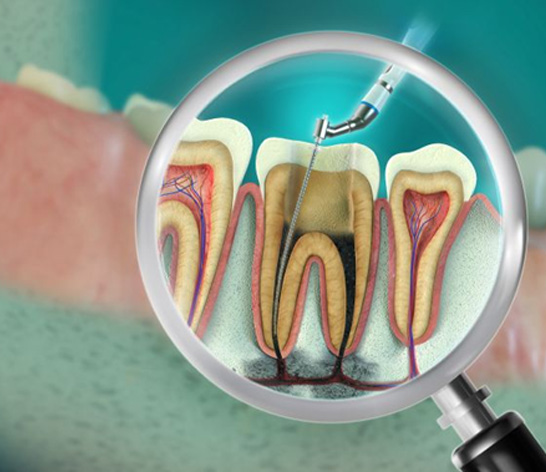
We want your child to have an easy dental care experience, so we will start their appointment by using local anesthesia to numb the area where we will be working. In some cases, we also administer sedation to promote a calm and relaxed state of mind. Once the anesthesia and sedation take effect, we can get started on pulp therapy.
There are actually two different types of pulp therapy:
- If the tooth is still alive (meaning that it still has blood flow and can react to temperature changes), a pulpotomy may be the best treatment. We will remove the pulp from the tooth’s crown, not touching the roots. Pulpotomies are often performed on baby teeth so they can stay in place until they naturally fall out.
- If a tooth is no longer alive, a pulpectomy might be required. We will remove all pulp from the tooth, reaching even into the root area. This service has a lot in common with root canal treatment that is often performed on adults.
After either a pulpotomy or pulpectomy, we may place a crown to protect the treated tooth.
The Benefits of Pulp Therapy

Pulp therapy offers some outstanding benefits, including:
- Eliminates discomfort: Pulp therapy can serve as an effective toothache treatment, restoring your child’s dental comfort.
- Stops infection from spreading: Addressing the infected pulp prevents bacteria from causing additional oral health problems.
- Retains natural teeth: Saving your child’s tooth, rather than extracting it, preserves their smile and encourages healthy jaw development.
- Enables normal eating: A restored tooth lets your child chew and enjoy meals without pain or major food restrictions.
- Aids in speech development: Keeping baby teeth in place assists your child in forming sounds and words correctly as they mature.
Pulp Therapy FAQs
What is Dental Pulp?
The dental pulp is the soft material located inside the tooth, underneath the hard enamel exterior and the dentin. The pulp connects the tooth’s root system, which keeps the tooth alive. It is essentially mixture of water, tissue, nerves and blood vessels.
In a healthy tooth, you should not be able to see or feel the pulp. Unfortunately, however, if the tooth becomes damaged (either by trauma to the mouth or severe tooth decay), the pulp can become exposed, causing painful sensitivity and infection.
Is pulp therapy really necessary for baby teeth?
Many parents wonder if pulp therapy is absolutely necessary, or if it would be easier and less expensive to simply extract an infected baby tooth. However, pulp therapy is very useful, because it protects the primary tooth until it’s ready to fall out on its own.
While they may not seem that important, baby teeth help guide your child’s permanent teeth into their proper position at the appropriate time. If a baby tooth becomes infected or damaged, this could cause pain, abscesses, and could even potentially damage the permanent tooth developing below. Thus, pulp therapy preserves the baby tooth and prevents further complications from occurring.
How much pain is normal after pulp therapy?
Before your child’s pulp therapy treatment begins, the dentist will numb their mouth, so they don’t feel any discomfort. We also are proud to offer sedation options to help keep them feeling calm and comfortable throughout the procedure. Thus, they should not feel any pain during the treatment itself.
Once the numbness wears off (usually a few hours after the procedure), they may experience some sensitivity or soreness. Thankfully, this is typically very mild and temporary. In most cases, it can be managed with over-the-counter pain relievers and should begin feeling better after about two or three days. If this is not the case, please contact us as soon as possible.
What happens if you wait too long to get pulp therapy?
Unfortunately, unlike the rest of your body, your teeth can’t heal themselves. This means that if your child’s tooth becomes infected, it will only get worse if not treated. Pulp therapy should be scheduled as soon as possible to prevent the infection from spreading to other areas of the mouth and throughout the body. Worse yet, the longer you wait, the more likely it will be that the tooth will need to be extracted, which can lead to problems with the alignment and development of their permanent teeth.